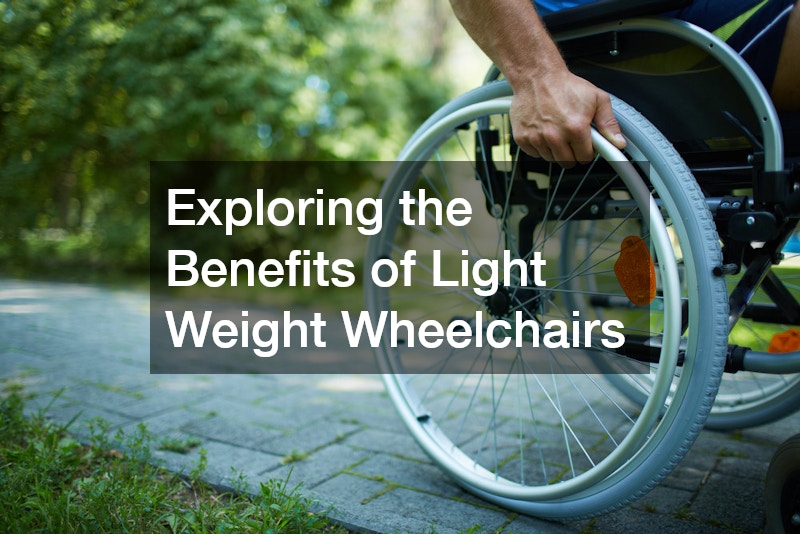
Mobility is closely connected to independence, participation and overall quality of life. For many Australians, selecting the right wheelchair is an important decision that influences daily comfort, safety and long-term wellbeing. Advances in design and materials have increased demand for Light Weight Wheelchairs, which offer practical advantages suited to both home and community settings. Understanding how these wheelchairs differ from traditional models can help individuals and carers make informed choices based on lifestyle, mobility needs and transport requirements.
Easier Transport and Storage
One of the most noticeable benefits of Light Weight Wheelchairs is portability. Heavier wheelchairs can be difficult to lift into a vehicle or manoeuvre into storage. In contrast, lightweight frames—commonly made from aluminium—are engineered to reduce overall weight while maintaining durability.
For Australians who regularly travel to medical appointments, work or social engagements, easier transport improves day-to-day convenience. A wheelchair that folds efficiently and fits into a standard car boot reduces physical strain and saves time. This is particularly important for carers who may need to lift and store the chair multiple times each day.
Compact storage is also valuable in smaller homes or apartments where space is limited. A lightweight, foldable design allows the wheelchair to be tucked away neatly when not in use.
Improved Manoeuvrability
The weight of a wheelchair directly affects how easily it can be pushed or self-propelled. Lighter frames typically require less effort to move, which can reduce fatigue over extended periods of use. For individuals who rely on their wheelchair throughout the day, this reduction in effort can significantly improve comfort.
In busy urban environments, responsive handling is essential. Navigating footpaths, shopping centres and public transport is more manageable when the wheelchair moves smoothly and turns easily. Indoors, improved manoeuvrability allows users to move confidently through narrow hallways, kitchens and bathrooms.
For carers, pushing a lighter wheelchair also reduces physical strain, particularly when travelling longer distances or negotiating inclines.
Greater Independence and Reduced Physical Strain
Independence is often a key priority when choosing mobility equipment. Because Light Weight Wheelchairs are easier to propel and transport, users may find it simpler to manage everyday tasks with minimal assistance. Activities such as visiting friends, attending appointments or participating in community events become more accessible.
Reduced weight may also decrease strain on the shoulders and upper body for those who self-propel. Over time, lowering repetitive stress can contribute to improved comfort and help minimise the risk of overuse injuries. For carers, the lighter frame makes lifting and positioning less physically demanding.
This balance between usability and durability supports greater autonomy for many individuals.
Enhanced Comfort and Adjustability
Comfort is essential for anyone using a wheelchair on a daily basis. Many lightweight models are designed with adjustable components, including seat height, backrest positioning and footrests. These features allow for a more personalised fit tailored to the user’s physical needs.
Supportive seating and breathable materials are particularly beneficial in Australia’s varied climate. Proper positioning can improve posture, reduce pressure points and enhance overall wellbeing during extended use. A well-fitted wheelchair is not simply about mobility; it also plays a role in maintaining long-term health and comfort.
Durability Without Unnecessary Bulk
A common misconception is that lighter wheelchairs may be less durable. However, advances in engineering have made it possible to create strong, resilient frames without excess bulk. High-quality materials and reinforced joints ensure that lightweight designs are suitable for regular daily use.
From suburban streets to regional areas, mobility equipment must withstand a range of surfaces and conditions. Many lightweight models are designed to provide stability while remaining easier to handle than heavier alternatives.
Supporting Active Lifestyles
For Australians who value staying socially and professionally active, a lighter wheelchair can simplify participation in everyday activities. Reduced weight makes loading into vehicles more manageable and encourages greater flexibility when planning outings or travel.
Compact designs are particularly practical for families who need adaptable mobility solutions. Whether attending events, travelling interstate or navigating workplaces, lighter equipment supports a more engaged and mobile lifestyle.
Making an Informed Decision
Selecting the right wheelchair involves considering daily routines, physical requirements and long-term goals. While every individual’s needs differ, Light Weight Wheelchairs offer a practical combination of portability, manoeuvrability and comfort that suits many Australians.
By understanding the benefits and evaluating personal circumstances, individuals and families can choose mobility equipment that promotes independence, safety and quality of life. Consulting with a healthcare professional or mobility specialist can also provide valuable guidance when making a final decision.