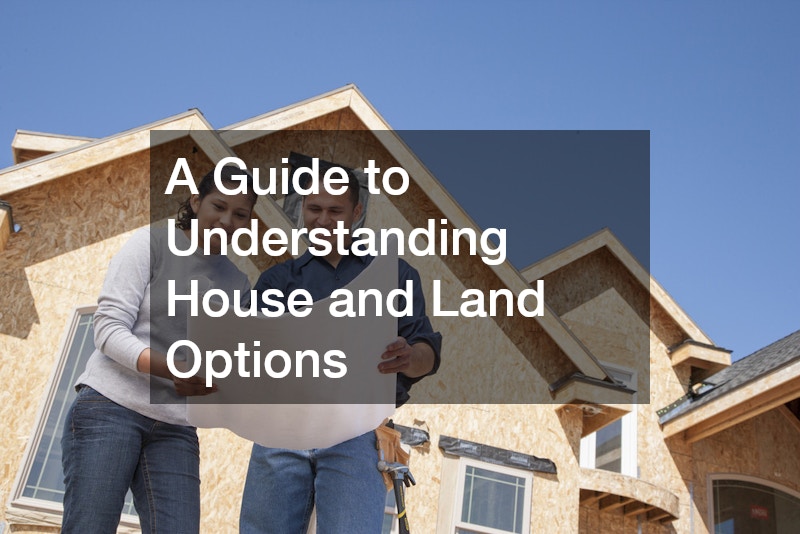
Many first-time buyers exploring the property market in Australia are drawn to the simplicity and convenience that built-in housing options can offer. Instead of purchasing land separately and organising a builder independently, many opt for bundled solutions that streamline the process from start to finish. Among these, home and land packages are particularly popular because they combine the purchase of a block of land with a house design in a single offering.
For new buyers, understanding how these packages work is essential. They can save time, reduce stress, and provide clearer budgeting, but they also come with considerations that need careful evaluation.
Knowing what to expect, how to compare options, and what to watch out for will help ensure you make an informed decision that aligns with your goals and financial situation.
What Are Home and Land Packages
At a basic level, a home and land package is a combined purchase that includes both a block of land and a house designed to be built on it. Typically offered by developers and builders, these packages are structured in two parts: the land is purchased from a developer, and the home is built by a builder who may already have designs tailored to that specific block.
There are generally two types of arrangements. The first is a single-contract package where everything is bundled into one agreement. The second is a dual-contract arrangement where the land and construction are handled separately. Each option has its own advantages depending on your preferences, financing approach, and level of involvement you want in the process.
For new buyers, one of the main appeals is that these packages often simplify decision-making. Instead of coordinating land selection, architectural design, and construction separately, many of the key decisions are pre-aligned. This can make the journey more straightforward, especially for those unfamiliar with building a home from scratch.
Benefits for New Buyers
One of the biggest advantages of these packages is convenience. Since the land and home design are matched together, you avoid potential compatibility issues that can arise when purchasing land independently. Builders often design homes specifically to suit the block’s dimensions, orientation, and slope.
Cost predictability is another major benefit. While additional expenses can still arise, bundled options often provide a clearer upfront understanding of total costs. This can make budgeting easier compared to managing separate contracts for land and construction.
Time efficiency is also a key factor. With the design already prepared and approvals often streamlined, the process from purchase to construction can be faster than traditional methods. For buyers eager to move into their new home sooner, this can be a significant advantage.
Financing and Budgeting
Financing these packages can differ slightly from traditional property purchases. In many cases, lenders treat the land and construction as separate components, meaning you may need a construction loan rather than a standard mortgage. This type of loan typically involves staged payments released as construction progresses.
It’s important to speak with a lender or mortgage broker early in the process to understand your borrowing capacity and the structure of repayments. Pre-approval can help you narrow down suitable options and avoid overcommitting financially.
When budgeting, remember to include additional costs beyond the advertised price. These may include stamp duty, legal fees, site costs, connection fees for utilities, and any upgrades you choose. Having a realistic understanding of the total investment will help you avoid surprises.
Evaluating Builders and Developers
The quality of the builder and developer plays a major role in the success of your project. Research their reputation, review past projects, and check customer feedback where possible. A reliable builder should have a track record of delivering homes on time and to a consistent standard.
It’s also wise to review contracts carefully. Pay attention to timelines, warranties, payment schedules, and any clauses related to delays or variations. If anything is unclear, seek advice from a legal professional or conveyancer before signing.
Visiting display homes can also be helpful. This gives you a tangible sense of the builder’s workmanship, design style, and attention to detail. It’s an opportunity to ask questions and better understand what you’re committing to.
Common Mistakes to Avoid
One common mistake new buyers make is focusing too heavily on price without considering long-term suitability. A lower-priced package may seem attractive initially but could lack features or be located in an area that doesn’t meet your needs.
Another pitfall is overlooking hidden costs. Always review the fine print and clarify what is and isn’t included. Site preparation, soil conditions, and council requirements can all influence the final cost of the project.
Failing to plan for future needs is another issue. Consider how your lifestyle may evolve over time. Whether it’s family growth, working from home, or resale potential, choosing a package that allows for flexibility can be beneficial in the long run.
For many new buyers, home and land packages offer a practical and streamlined pathway into property ownership. They combine convenience, cost clarity, and design alignment into a single solution that can simplify the building process. However, making the right choice requires careful consideration of location, inclusions, financing, and builder reputation.
By taking the time to research and compare options, you can find a package that not only fits your budget but also supports your long-term lifestyle goals. With the right approach, these packages can provide a solid foundation for building a home that meets your needs today and into the future.