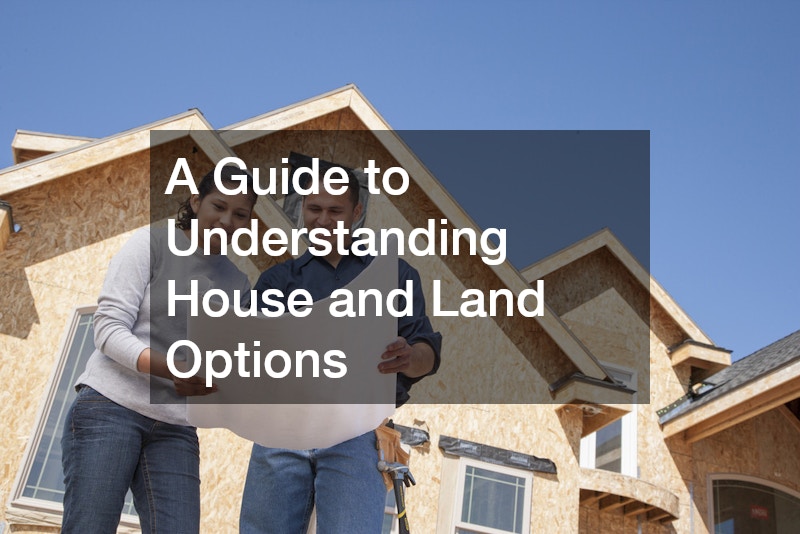
For many Australians looking to build a new home, navigating the early stages of the property market can feel overwhelming. Between choosing a location, selecting a design, and organising financing, there are several moving parts to consider. One option that continues to gain popularity is combining both the property and construction process into a more streamlined approach.
This approach allows buyers to secure a block of land and a home design together, reducing the need to coordinate separate contracts and timelines. For those unfamiliar with the building process, it can offer clarity, structure, and a clearer path from purchase to move-in.
Understanding how these options work, what they include, and what to watch for will help you make a more informed and confident decision.
What Are the Options
At its core, this type of arrangement involves purchasing a block of land alongside a home design that will be built on it. The land is typically sold by a developer, while the construction is carried out by a builder who may offer a range of pre-designed homes suited to that specific block.
There are generally two main structures. In some cases, buyers enter into a single combined agreement that covers both the land and the build. In other situations, there are separate contracts for each component. Each structure has its own advantages depending on your financial situation, level of flexibility, and how involved you want to be in the process.
These options are often marketed as a convenient solution for buyers who prefer a more straightforward path to home ownership. Instead of sourcing land independently and then searching for a suitable builder and design, the process is simplified into a coordinated package.
Benefits of This Approach
One of the primary advantages is convenience. Since the land and home design are already matched, buyers can avoid potential issues that arise when trying to fit a home onto a block that may not be suitable. Builders often design homes specifically to suit the dimensions, orientation, and conditions of the land.
Another benefit is clarity in planning. Having a defined package allows buyers to better understand what they are committing to from the outset. This can make budgeting easier and reduce the uncertainty that sometimes comes with custom builds.
Time efficiency is also a factor. Because the design and approvals are often streamlined, the overall timeline from purchase to construction may be shorter compared to managing separate components independently. This can be particularly appealing for buyers eager to move into their new home sooner rather than later.
Design Flexibility and Customisation
Depending on the provider, there may be varying levels of flexibility when it comes to home design. Some house and land packages offer fixed layouts with limited customisation, while others allow modifications to suit your preferences.
If you have specific requirements, such as additional rooms, altered layouts, or particular finishes, it’s important to confirm whether these changes are possible and how they may affect the overall cost. In some cases, upgrades can be incorporated into the initial agreement, while in others, they may require separate pricing.
Understanding the level of flexibility available will help you determine whether the option aligns with your vision for your future home.
Financing and Budgeting
Financing arrangements for house and land purchases can differ from traditional property transactions. In many cases, lenders treat the land and construction separately, which may involve a construction loan. This type of loan typically releases funds in stages as the build progresses.
It’s advisable to seek pre-approval before committing to a purchase. This gives you a clear understanding of your borrowing capacity and helps ensure that the option you choose is financially manageable.
In addition to the purchase price, consider other costs such as stamp duty, legal fees, site preparation, and utility connections. Factoring these into your budget will provide a more accurate picture of the total investment required.
Common Pitfalls to Avoid
One common mistake is focusing solely on price without considering the full scope of the package. A lower upfront cost may not always represent the best value if it excludes important features or requires additional expenses.
Another issue is failing to account for site-specific challenges. Factors such as soil conditions, slope, and access can influence construction costs and should be assessed before finalising your decision.
It’s also important not to overlook future needs. While a design may suit your current situation, consider whether it will remain practical as your lifestyle evolves. Flexibility and long-term suitability are key factors in making a sound investment.
Understanding your options when it comes to building a new home is a crucial step in the property journey. By combining land and construction into a coordinated approach, buyers can benefit from greater convenience, clearer planning, and a more streamlined process overall.
However, making the right choice requires careful consideration of location, inclusions, design flexibility, financing, and builder quality. Taking the time to research and compare different house and land options will help ensure that your decision aligns with both your immediate needs and long-term goals.
With the right preparation and guidance, this approach can provide a practical and efficient pathway to achieving your goal of building a home that suits your lifestyle and future plans.