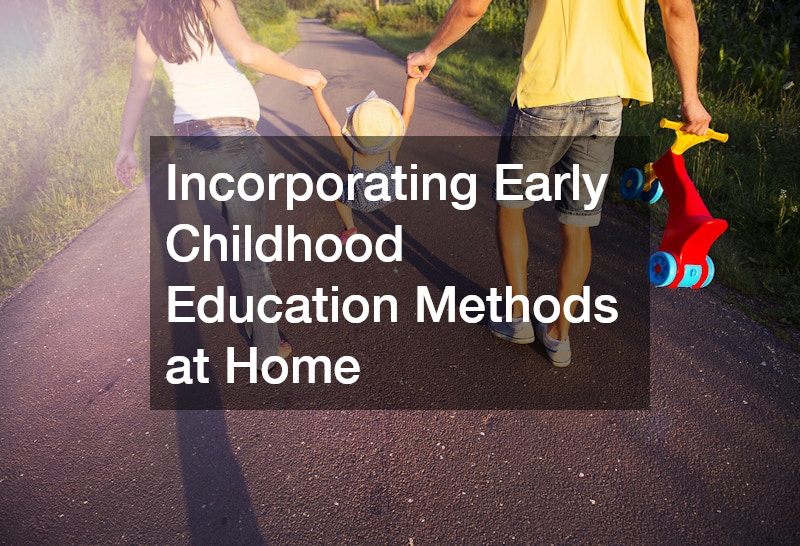
Ever thought about bringing those early childhood education tricks into your own living room? It’s a brilliant way to give your little ones a leg up before they even hit the classroom. In Australia, we’re lucky to have a culture that values both play and independence, so adapting these methods for the home isn’t just easy—it’s actually a lot of fun. By weaving these ideas into your daily life, you’re creating a supportive “home base” that perfectly complements what they’ll eventually experience in the Aussie school system.
As parents, we’re our kids’ first teachers and by turning our homes into a bit of a “learning ecosystem,” we can make discovery feel like a natural part of their day-to-day life. By looking at the theory and the practical side of things, we want to give you the tools to really boost your child’s development.
What Are Effective Early Childhood Education Methods?
Reggio Emilia Approach
The Reggio Emilia approach is all about letting the child take the lead. It’s a philosophy that values autonomy and cooperation. Instead of sitting them down for a formal lesson, you follow their lead. In this method, the environment is seen as the “third teacher.” For us, that means setting up a home where kids can easily grab what they need to create or explore and where you’re a co-learner.
Montessori Method
You’ve likely heard of Montessori—it’s big on self-discipline and hands-on learning. The idea is to give kids the freedom to choose their own activities, which helps them develop a genuine love for learning rather than just doing things because they’re told to. At home, this translates to “prepared environments.” Think child-sized furniture or low, accessible shelves. This also might mean letting your toddler help with the “grown-up” jobs like tossing a salad or helping with the washing.
Play-Based Learning
In Australia, we know that “just playing” is actually hard work for a little brain! Play-based learning is a cornerstone of our early education system. It’s the idea that kids learn best when they’re having a go, using their imagination and interacting with others. It’s the foundation for everything from empathy to early literacy and numeracy. By mixing learning goals with fun, kids pick up complex ideas without even realising it. Whether it’s a game of “shops” to practice counting or role-playing to understand different perspectives, play makes education feel like a natural part of life.
How Can Parents Facilitate Learning at Home?
Creating a Learning Environment
You don’t need a dedicated schoolroom to make your home a great place to learn. It’s more about designing spaces that make kids want to ask “why?” and “how?”. A good learning environment is safe, inviting and easy for a child to navigate on their own. The trick is accessibility. Use low shelves so they can pick out their own books or toys and try “rotating” what’s on offer so things stay fresh and exciting. By providing different materials for different stages of growth, you’re encouraging them to learn on their own terms.
Incorporating Educational Play
Educational play is the ultimate “win-win” for Aussie parents. You’re helping them develop critical thinking and fine motor skills, but to them, it’s just a bit of fun. By picking the right toys—like puzzles, building blocks or simple card games—you can target specific skills while you hang out together. Storytime and music are also huge winners. They’re brilliant for language development and are a lovely way to explore different cultures and emotions. Even a simple game of “dress-ups” or a family board game night helps teach patience and cooperation. Through well-planned play, kids develop a deeper understanding of the world around them.
Routine & Consistency
We all know kids thrive when they know what’s coming next. A bit of a routine provides a sense of security, which actually makes it easier for them to focus on learning. In an Australian home, a solid routine doesn’t have to be rigid, but having set times for things like meals, play and rest helps everything run a bit smoother. This helps kids learn how to manage their time and move from one activity to the next without a fuss. That said, we’re a pretty laid-back bunch, so it’s okay to be flexible! While a routine helps build good habits, leaving room for a bit of spontaneity is just as important for building resilience.
Making this work takes a bit of dedication and flexibility, but it’s well worth it. With a bit of commitment, Aussie families can raise inquisitive, self-assured kids who are ready for whatever the future holds. The investment you make at home today will yield rewards for a lifetime, resonating through Australia’s future generations.