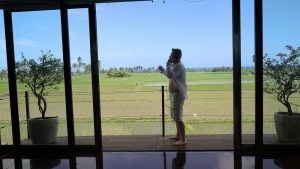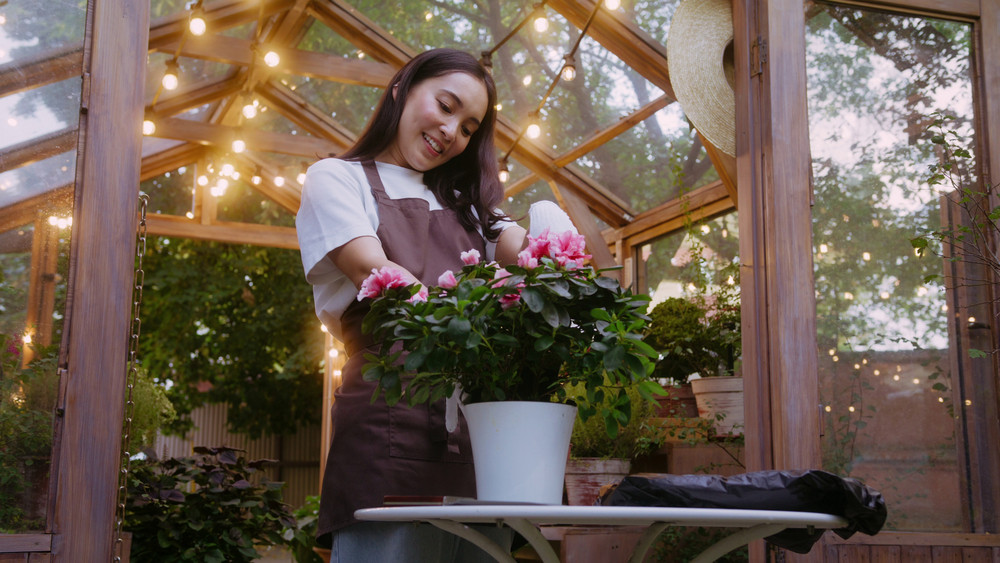
There’s nothing quite like the Aussie lifestyle. We love outdoor entertaining, Sunday barbeques, and relaxing in the fresh air. However, direct mid-summer heat, unexpected coastal downpours, and relentless mosquitoes often cut outdoor time short.
Converting an exposed verandah or patio into a fully functional porch enclosure lets you enjoy outdoor living comfortably across all four seasons. Whether protecting your space from harsh elements, creating a safe play zone for kids, or expanding your usable floor plan without a full home extension, these seven design concepts will inspire your next outdoor upgrade.
1. Track-Guided Retractable Outdoor Blinds
For maximum versatility, track-guided PVC or mesh blinds allow you to seal off your patio on demand without committing to a permanent solid wall.
- Best for: Flexible protection against wind, rain, and glare.
- Why it works: Modern zip-track systems lock securely into side channels, creating a taut, wind-resistant barrier. High-visibility outdoor mesh keeps out insects while preserving surrounding backyard views. On clear afternoons, simply retract the blinds to open up the space.
2. Floor-to-Ceiling Glass Stacking Doors
Frameless or slimline glass stacking doors transform an open deck into a sophisticated sunroom environment.
- Best for: Uninterrupted natural light and modern architectural design.
- Why it works: When closed, tempered glass panels block cool winter drafts while maintaining panoramic garden views. During warmer months, slide the panels completely to the side to create an effortless indoor-outdoor flow.
3. Floor-to-Roof Fine Mesh Screening
If insect protection is your primary priority, structural mesh screening provides complete coverage without blocking breezes.
- Best for: Keeping flies, mosquitoes, and leaves out while maintaining airflow.
- Why it works: Screening entire patio openings allows cross-ventilation to keep the space cool during humid summers. It offers an economical enclosure option that turns an exposed deck into a safe, bug-free outdoor sanctuary.
4. Insulated Roofing with Integrated Lighting
A true year-round space requires proper overhead thermal protection. Standard single-skin metal roofing traps heat during summer and collects condensation in winter.
- Best for: All-weather thermal regulation.
- Why it works: Insulated roofing panels feature a high-density core sandwiched between durable steel skins. This dramatically reduces radiant heat transfer from the sun and dampens heavy rainfall noise. Smooth underside finishes also allow for flush-mounted LED downlights and ceiling fans.
See a Real Enclosure Transformation
To see how custom verandah enclosures come together from structural frames to final finishing touches, watch this step-by-step installation overview:
5. Louvre Roof Systems (Bioclimatic Pergolas)
Automated louvre roofs offer total control over natural light, ventilation, and weather protection at the push of a button.
- Best for: Customisable overhead protection.
- Why it works: Angle the aluminium louvres to catch afternoon breezes or block harsh direct sunlight. Integrated rain sensors automatically close the roof panels at the first sign of rain, directing runoff into hidden internal guttering systems.
6. Integrated Outdoor Fireplaces and Climate Control
To turn an enclosed porch into a genuine living area during winter, introduce targeted heating elements alongside smart layout choices.
Electric Infrared Heaters
- Key Benefits: Direct, radiant warmth with unobtrusive ceiling-mounted panels.
- Best Suited For: Enclosed blinds or glass spaces.
Built-in Gas Fireplaces
- Key Benefits: High heat output that creates a cosy aesthetic focal point.
- Best Suited For: Solid wall structural enclosures.
DC Outdoor Ceiling Fans
- Key Benefits: Energy-efficient cooling that deters flying insects.
- Best Suited For: All roofed porch designs.
7. Half-Wall Weatherboard or Masonry Surround
Building a solid knee-wall (half-height wall) around the perimeter of your patio grounds the structure visually and provides built-in privacy from nearby neighbours.
- Best for: Matching existing home architecture and hiding furniture bases.
- Why it works: A solid base wall allows you to route electrical wiring safely for power points, TV mounts, and feature lamps. Upper sections can then be fitted with glass sliding windows or track blinds, offering an ideal balance between privacy, protection, and openness.
Essential Considerations Before Enclosing Your Patio
Before beginning your patio conversion project, evaluate these key planning details:
- Local Council Approvals: Depending on your property layout and project scope, adding permanent glass panels or structural roofs may require building approval or development applications from your local council.
- Orientation & Sun Angle: Northern exposure maximises winter warmth, while western aspects require high-density solar shade blinds to block intense afternoon heat.
- Flooring Materials: Ensure existing deck timber or concrete pavers are sealed correctly against moisture trapped inside enclosed zones. Choosing water-resistant outdoor rugs and weather-proof flooring underlay will also prolong the life of your timber subfloor.
- Furnishing & Decor: Choose performance fabrics like solution-dyed acrylics for your lounge cushions to resist fading under UV exposure. Adding indoor-friendly greenery, plush throw blankets, and dimmable mood lighting instantly bridges the gap between your interior living room and the backyard.
By pairing durable weatherproof materials with flexible ventilation strategies, an enclosed porch creates a versatile living room that increases property value, reduces house energy costs, and provides year-round comfort for your family